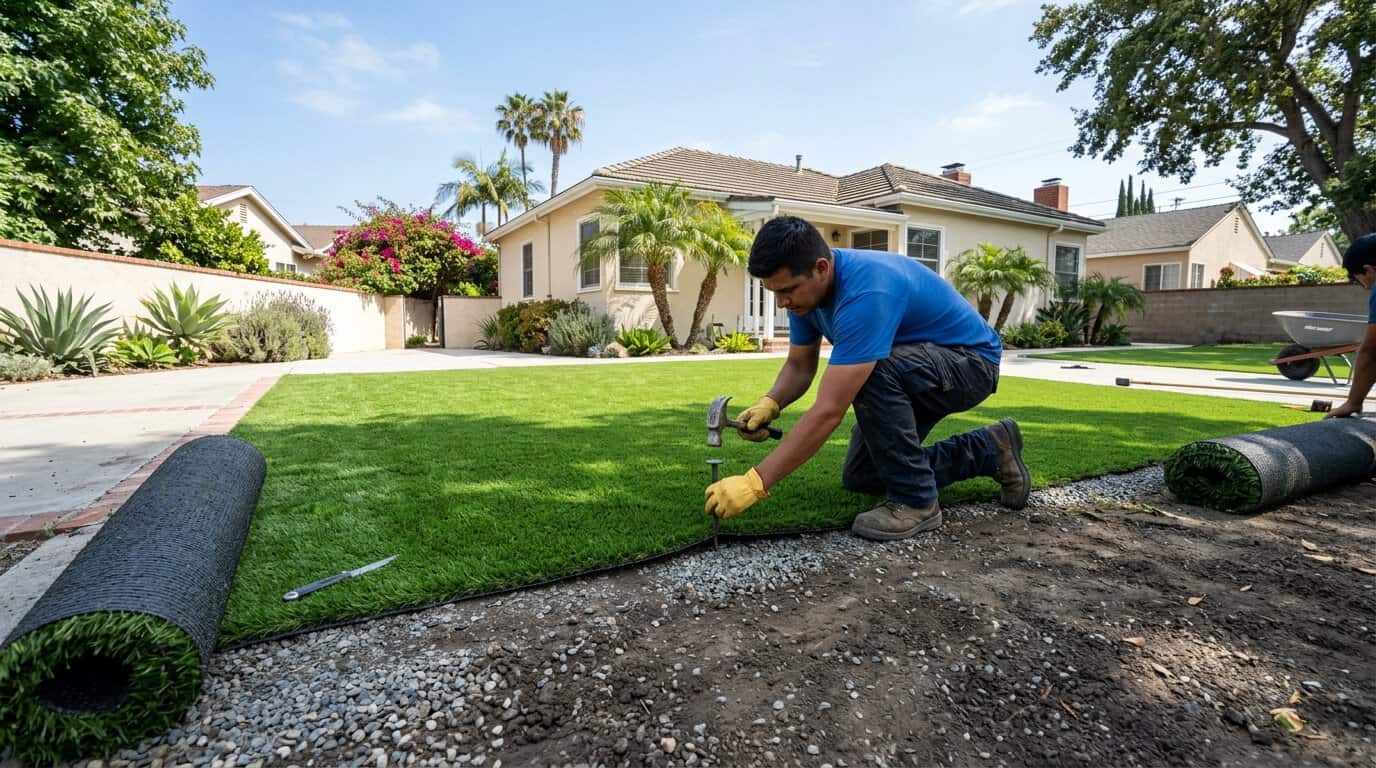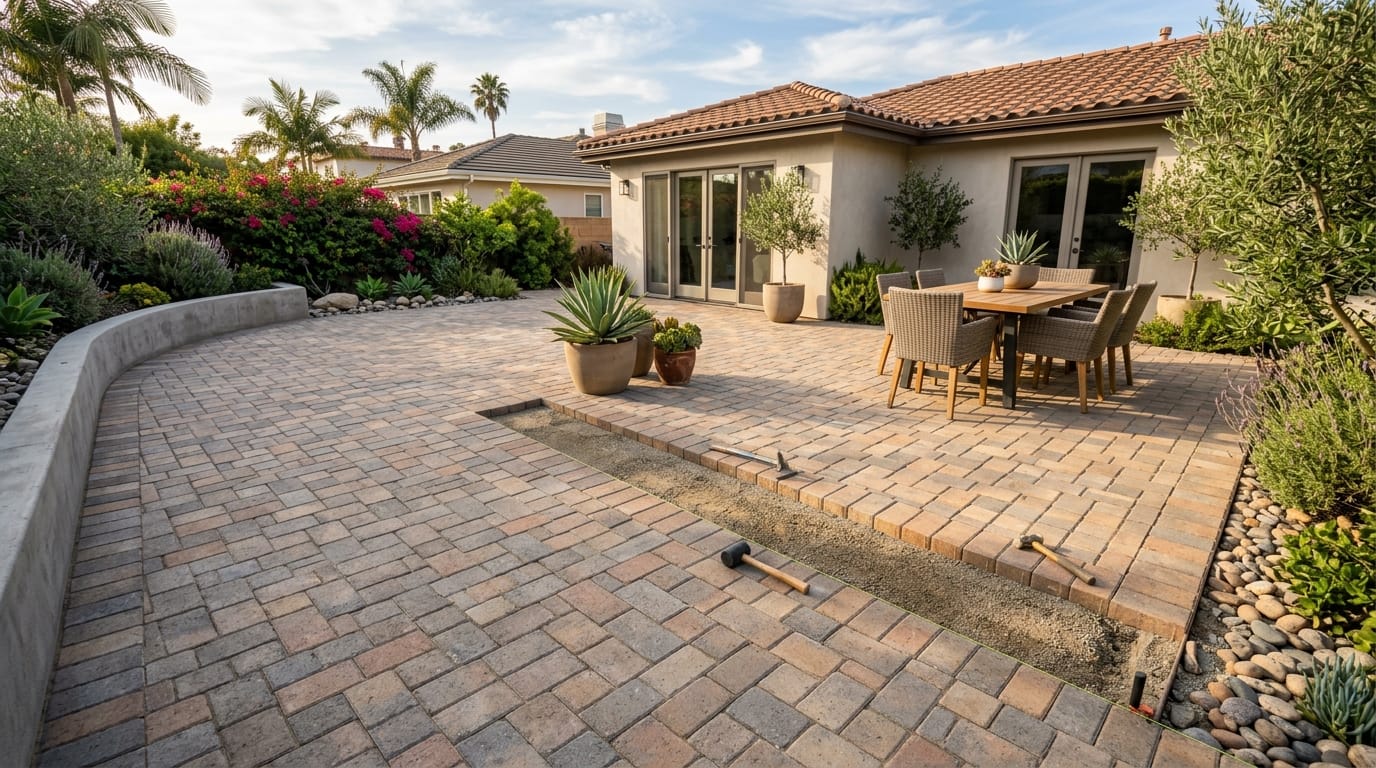

Landscape drainage does more than move rainwater away from your home. It helps protect your foundation, preserve your yard, and make your outdoor space safer and more enjoyable. If you are dealing with standing water, muddy lawn areas, soil erosion, or moisture near the house, the problem may involve poor grading, undersized drains, or disconnected downspouts. An effective solution begins with understanding how water moves across your Los Angeles property.
Modern drainage combines practical features such as swales, catch basins, and pipes with water-friendly elements that slow, filter, and absorb runoff. Rain gardens, permeable surfaces, healthy soil, and thoughtfully placed plants can reduce flooding while supporting a more resilient landscape. With careful planning, durable materials, and quality craftsmanship, you can create an outdoor space that manages stormwater effectively and adds long-term value to your home.
Key Takeaways
- Effective landscape drainage starts with proper grading that directs water away from foundations, walls, patios, and other vulnerable areas while reducing standing water and erosion.
- The most reliable systems combine swales, catch basins, channel or French drains, properly sized pipes, and extended downspouts based on the property’s soil, slope, and runoff patterns.
- Rain gardens, permeable surfaces, healthy soil, and well-placed plants slow, filter, and absorb stormwater, but they work best alongside conventional drainage infrastructure for heavy storms.
- Professional site assessment, coordinated installation, and routine maintenance are essential for long-term performance, especially on sloped Los Angeles properties or where runoff threatens structures and neighboring areas.
Yard Grading And Runoff Control
Finished grading establishes gentle, intentional slopes that carry water away from your home’s foundation and toward a safe collection or infiltration area. A properly shaped yard may use swales, which are shallow channels that guide runoff, and berms, which are raised soil features that redirect or slow its movement. These elements can be integrated into planting beds, lawns, and patios so drainage supports the overall landscape design instead of looking like an afterthought. Keeping water away from walls, crawl spaces, and hardscaping helps reduce erosion, ponding, and moisture-related damage.
Los Angeles yards often need carefully planned grading because compacted soil can prevent rainfall from soaking in, while hillside lots can send water downslope with considerable force. A sudden heavy storm may overwhelm a flat or poorly shaped yard, especially when runoff combines from neighboring properties or upper portions of a slope. Strategic terraces, reinforced swales, and planted areas can slow the flow, reduce erosion, and direct water toward approved collection or infiltration zones. On sloped properties, careful planning is especially important because grading should control runoff without creating new drainage problems for your home or surrounding areas.
Your drainage plan should account for water arriving from roofs, patios, and driveways, not just rainfall landing on the lawn. Downspouts can discharge into planted infiltration areas, dry creek beds, or other appropriately designed collection features, while permeable surfaces can help patios and walkways absorb some stormwater. Driveways may require carefully placed slopes and channel drains to keep runoff from moving toward garages or foundations. With durable materials and precise construction, a coordinated grading and runoff-control system can protect your outdoor spaces while making better use of rain where it falls.
Drains Pipes And Collection Systems

Catch basins collect runoff at low points, such as patio edges, lawn depressions, and areas where water gathers near a foundation. Removable grates help keep leaves and debris out of the drainage line. Channel drains are better suited to broad, linear areas, including driveway transitions, pool decks, and paved walkways, because their long grates capture water across the surface. French drains use a perforated pipe surrounded by washed gravel and filter fabric to intercept subsurface moisture and redirect it away from planting beds, retaining walls, or foundations. Each system works best when its location matches the way water moves across your property.
Downspout extensions carry roof runoff away from walls and foundations. They should discharge onto a stable, properly graded area instead of creating a new wet spot. Where soil conditions and local requirements allow, a dry well can temporarily store runoff underground and let it infiltrate gradually, making it useful for isolated downspouts or small drainage areas. Sump systems collect water from low areas or below-grade spaces and rely on a pump to move it to an approved outlet, while underground solid pipes connect collection points and carry water across the landscape. These components can be combined to create a discreet system that protects hardscaping, planting areas, and your home.
Reliable landscape drainage depends on more than selecting the right drain. Every component must be sized for the expected runoff and installed with a consistent slope. Pipe capacity, trench depth, soil conditions, and outlet placement all affect whether water flows freely or backs up during a heavy Los Angeles storm. Outlets should release water safely without undermining paving, eroding soil, flooding neighboring properties, or violating local discharge requirements. Durable pipes, secure connections, stable bedding, accessible cleanouts, and regular maintenance help your collection system perform for years.
Green Infrastructure And Water Infiltration
Rain gardens and bioretention areas give stormwater a place to collect, slow down, and soak into the ground instead of rushing across your property. Shallow, planted basins can be positioned near downspouts, patios, or driveways to capture runoff, while layers of amended soil, mulch, and gravel help filter pollutants before water reaches the soil below. Permeable paving performs a similar function by allowing rain to pass through joints or porous surfaces into a prepared base. With thoughtful grading and water-tolerant plants, these features can become attractive focal points rather than purely functional drainage solutions.
Healthy soil is central to effective water infiltration because compacted or depleted ground absorbs rainfall slowly and produces more surface runoff. Planting beds enriched with organic matter can improve soil structure, support beneficial microorganisms, and help retain moisture for future plant growth. Trees add another layer of performance through their roots, which create pathways through the soil, while their canopies intercept rainfall before it reaches the ground. Grouping trees, shrubs, and ground covers in well-designed planting areas can reduce erosion, moderate heat, and make your outdoor spaces more comfortable.
Green infrastructure works best when it is coordinated with conventional landscape drainage instead of treated as a complete replacement. You may still need catch basins, channel drains, swales, or underground pipes to manage intense storms, protect foundations, and direct excess water safely away from structures. A well-planned system can route the first portion of rainfall into rain gardens, planting beds, or permeable surfaces, then use drains as an overflow path during heavier events. This integrated approach supports durable construction, attractive outdoor design, and more responsible water management across your Los Angeles property.
Drainage Design Installation And Maintenance

A successful landscape drainage system begins with a careful evaluation of your property and its surrounding conditions. Your design team should trace water sources, including roof downspouts, paved areas, neighboring runoff, and naturally low sections of the yard. Soil testing helps determine whether water can infiltrate or needs to be collected and redirected, while slope measurements reveal where water may pool, flow too quickly, or threaten a foundation. In Los Angeles yards, a balanced plan may combine grading, swales, catch basins, and underground pipes with rain gardens, planting areas, or permeable surfaces that help retain and absorb stormwater.
Once the site assessment is complete, your team can develop a custom drainage plan that fits your property, landscape goals, and broader backyard remodeling project. Drainage routes should be coordinated with patios, retaining walls, outdoor kitchens, walkways, irrigation, and planting beds before construction begins. During installation, durable grates, properly sized pipes, stable outlets, and carefully compacted soil help ensure the system performs reliably without undermining finished surfaces. Thoughtful coordination keeps the work efficient and creates a cohesive outdoor space instead of treating drainage as an afterthought.
Routine maintenance protects both the drainage system and the improvements around it. Clear grates and inlet points of leaves and debris, inspect visible pipes and discharge areas, and remove sediment before it restricts water flow. You may also need to refresh settled soil, restore planting areas, and check that swales and slopes still direct water as intended. After major storms, monitor the property for new erosion, exposed roots, standing water, or displaced soil so you can correct small issues before they become costly repairs.
Build a Healthier, Better-Drained Landscape
Effective landscape drainage is about more than moving water away as quickly as possible. A well-planned system controls runoff, reduces erosion, protects foundations and hardscaping, and helps prevent standing water that can damage lawns and plants. Grading, swales, catch basins, and properly sized pipes can direct excess water, while rain gardens, healthy soil, permeable surfaces, and thoughtfully placed plants can help retain and infiltrate it. Together, these strategies support a healthier landscape and reduce drainage problems over the long term.
Because every yard has different soil, slopes, materials, and water-flow patterns, the most durable solution is a custom one. An experienced outdoor living professional can evaluate your property and coordinate drainage with its planting plan, walkways, patios, retaining features, and overall style. With careful grading, quality materials, and precise installation, you can protect your Los Angeles home while creating an outdoor space that functions beautifully in every season. Professional planning also helps ensure the system performs reliably and complements the design instead of appearing like an afterthought.
Frequently Asked Questions
1. What are the most common signs that your landscape needs better drainage?
Standing water, muddy lawn areas, soil erosion, flooded planting beds, and moisture near your foundation are common warning signs. You may also notice water collecting around patios, walkways, crawl spaces, or basement walls after rainfall. These problems often point to poor grading, compacted soil, undersized drains, or downspouts that discharge too close to your home.
2. How does yard grading improve landscape drainage?
Proper grading creates gentle, intentional slopes that move water away from your foundation and toward a safe collection or infiltration area. Swales can guide runoff through the yard, while berms can slow or redirect water where needed. Thoughtful grading helps reduce ponding, erosion, and moisture-related damage while blending naturally with lawns, planting beds, patios, and other landscape features.
3. What drainage solutions work well for Los Angeles properties?
A successful Los Angeles drainage plan may combine finished grading, swales, catch basins, underground pipes, and properly connected downspouts. Water-friendly additions such as rain gardens, permeable surfaces, healthy soil, and well-placed plants can slow, filter, and absorb runoff. The right combination depends on your lot shape, soil conditions, slope, existing hardscaping, and how water moves during heavy storms.
4. How can you control runoff on a sloped or hillside yard?
Hillside properties often need features that reduce the speed and force of downslope water. Terraces, reinforced swales, berms, planted areas, and properly sized drainage pipes can help guide runoff safely while limiting erosion. A carefully coordinated design protects your landscape and hardscaping without making drainage features look separate from the overall outdoor living space.
5. Can landscape drainage protect your home’s foundation?
Yes. Directing water away from walls and foundation areas can significantly reduce moisture exposure and the risk of related damage. Proper grading, functioning gutters, extended downspouts, and reliable collection systems help prevent runoff from pooling beside your home. Drainage should be planned as part of the entire landscape so water moves safely without creating new problems elsewhere on your property.
6. What role do catch basins, swales, and drainage pipes play?
Catch basins collect surface water from low areas, while pipes carry that water to an approved discharge or infiltration location. Swales provide open, gently sloped channels that guide and slow runoff across the landscape. When these elements are sized and placed correctly, they work together to manage stormwater efficiently and support a cleaner, safer yard.
7. Can plants and permeable surfaces help with landscape drainage?
Yes. Planted areas and permeable surfaces can help rainfall soak into the soil instead of rushing across patios and compacted lawn areas. Rain gardens, healthy soil, and carefully selected plants slow and filter runoff while adding visual appeal and habitat value. These features work best when combined with proper grading and drainage infrastructure tailored to your property.
8. When should you hire a professional for landscape drainage?
Professional planning is recommended when water reaches your foundation, erosion is severe, your property has significant slopes, or runoff affects neighboring areas. An experienced landscape remodeling team can evaluate grading, soil, hardscaping, downspouts, and existing drainage before creating a coordinated solution. Quality craftsmanship, durable materials, and careful installation help ensure your drainage system performs reliably and adds long-term value to your Los Angeles home.