A well-planned artificial turf installation can transform your Los Angeles yard into a clean, durable outdoor space that stays green with much less watering and routine maintenance. The result depends on more than choosing attractive turf. Proper grading, drainage, base preparation, and secure edging all affect how the surface looks and performs over time. Understanding these essentials helps you make informed decisions and avoid costly installation problems.
From compact side yards to family-friendly backyards, your turf should reflect how you use the space, your soil conditions, and local requirements. Quality materials and precise workmanship create a comfortable, long-lasting surface while supporting reliable water management. With thoughtful planning from the initial assessment through final installation, you can achieve an outdoor upgrade that adds function, visual appeal, and lasting value to your home.
Key Takeaways
- A successful artificial turf installation starts with a professional site assessment covering soil, grading, drainage, utilities, intended use, and local requirements. Proper planning prevents standing water, shifting, uneven surfaces, and costly installation changes.
- Base preparation is as important as the turf itself. Removing unsuitable material, compacting an aggregate base, establishing proper slopes, improving drainage when needed, and securing durable edging create a stable, long-lasting surface.
- Choose turf, backing, infill, seams, and cushioning based on how the space will be used, whether for pets, children, entertaining, or high-traffic areas. Precise cuts, discreet seams, consistent fiber direction, and secure installation deliver a natural, polished appearance.
- Artificial turf greatly reduces watering and routine maintenance but still requires regular debris removal, rinsing, brushing, odor control, and occasional repairs. Quality materials and professional workmanship can help residential turf last approximately 15 to 20 years, depending on traffic, sunlight, pets, and site conditions.
Introduction to Artificial Turf Installation
Artificial turf provides a durable, low-water alternative for Los Angeles lawns and outdoor spaces. Unlike natural grass, it does not require regular mowing, watering, or seasonal reseeding, making it a practical choice for a dry climate. You can use synthetic turf to create a clean lawn, pet area, play space, or comfortable extension of your outdoor living area. With thoughtful planning, the finished surface can look natural while supporting the way your household uses the space.
A successful artificial turf installation begins with site assessment and design, not simply by laying turf over existing ground. Your installer should evaluate the layout, soil conditions, utility locations, edging needs, and the way rainwater or wash water will move through and away from the area. Proper preparation typically includes removing unsuitable material, compacting a stable aggregate base, and installing a drainage system suited to the site. These steps help reduce uneven areas, standing water, shifting, and premature wear.
The quality of the finished surface also depends on selecting suitable turf and completing every detail with care. Fiber height, color variation, backing, infill, seams, and edging should match the intended use, whether you need a resilient pet area or a comfortable space for play and entertaining. Professional craftsmanship helps the turf lie evenly, keeps seams discreet, and creates secure transitions around patios, walkways, planting beds, and other features. When design, preparation, drainage, and installation work together, you gain an attractive outdoor surface built for dependable long-term performance.
Artificial Turf Site Assessment and Design
A professional artificial turf site assessment begins with accurate measurements, including irregular edges, slopes, pathways, planting beds, and areas that may require excavation. Your installer should examine soil type, compaction, roots, existing landscaping, and utility-line locations before planning any digging or base preparation. Drainage patterns are especially important because turf does not correct standing-water problems on its own. Your design may need grading, a permeable base, drains, or other water-management features. Sun exposure, shade from trees or structures, and the intended use of the space, such as play, entertaining, pets, or low-maintenance landscaping, also influence material and installation choices.
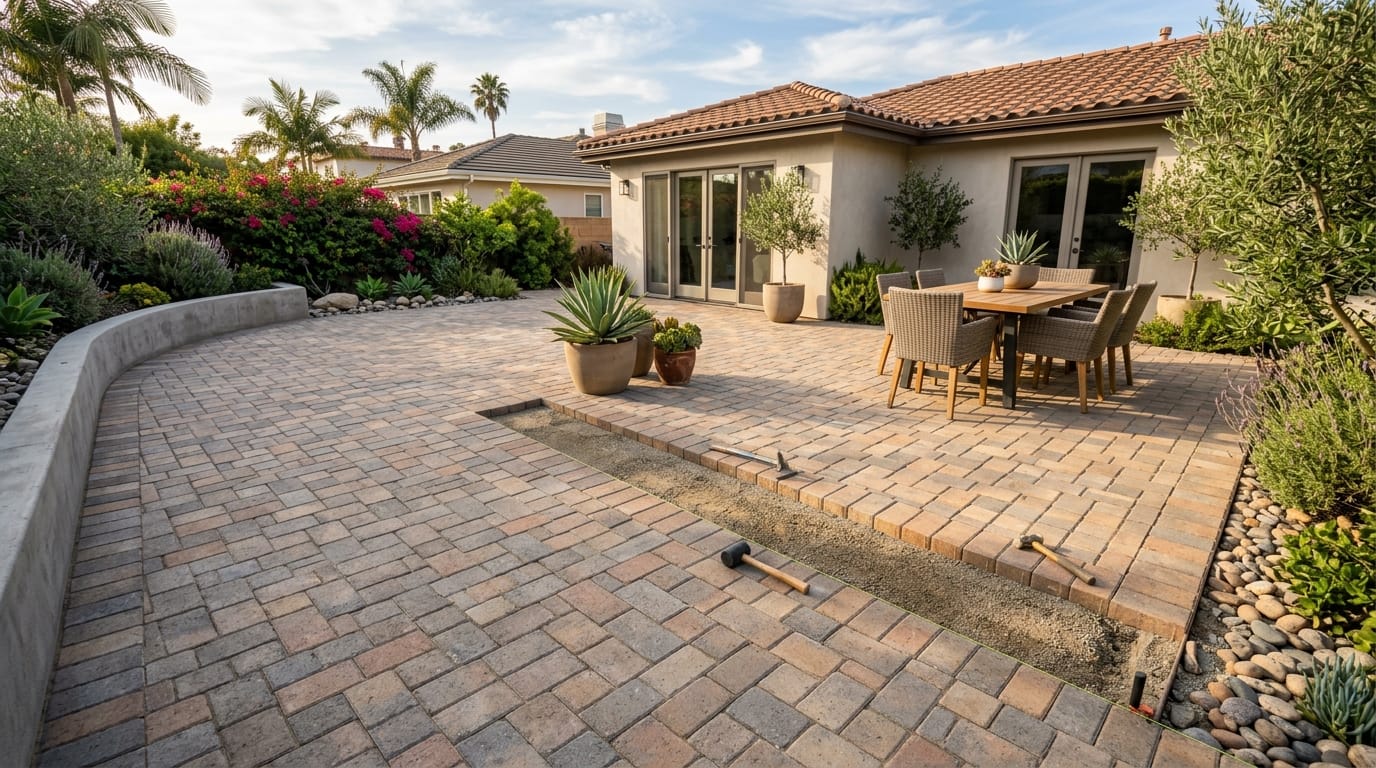
Using those findings, your installation team can create a custom layout that minimizes seams, follows the natural shape of your yard, and coordinates turf with patios, walkways, planters, and other outdoor living features. Turf fibers vary in height, blade shape, color, softness, and resilience, so a family play area may call for a comfortable, durable product, while a high-traffic path may benefit from shorter, firmer fibers. Edging details, such as concrete borders, metal restraints, or transitions against pavers, help secure the perimeter and create a clean finished appearance. If you have pets, the design should also account for odor control, rapid drainage, durable backing, and convenient access for rinsing and waste removal.
Before construction begins, you should confirm applicable HOA rules and local zoning, permit, and stormwater requirements because artificial turf may be regulated differently depending on its location and how much of the property it covers. Some jurisdictions treat synthetic turf as impervious or partially impervious, which can affect drainage calculations, runoff controls, or allowable landscaping ratios. A qualified professional can help determine whether approvals are needed and document the proposed surface, base, edging, and drainage plan. Reviewing these details early helps you avoid costly changes and supports a smooth, code-conscious artificial turf installation from design through completion.
Artificial Turf Base Preparation and Drainage
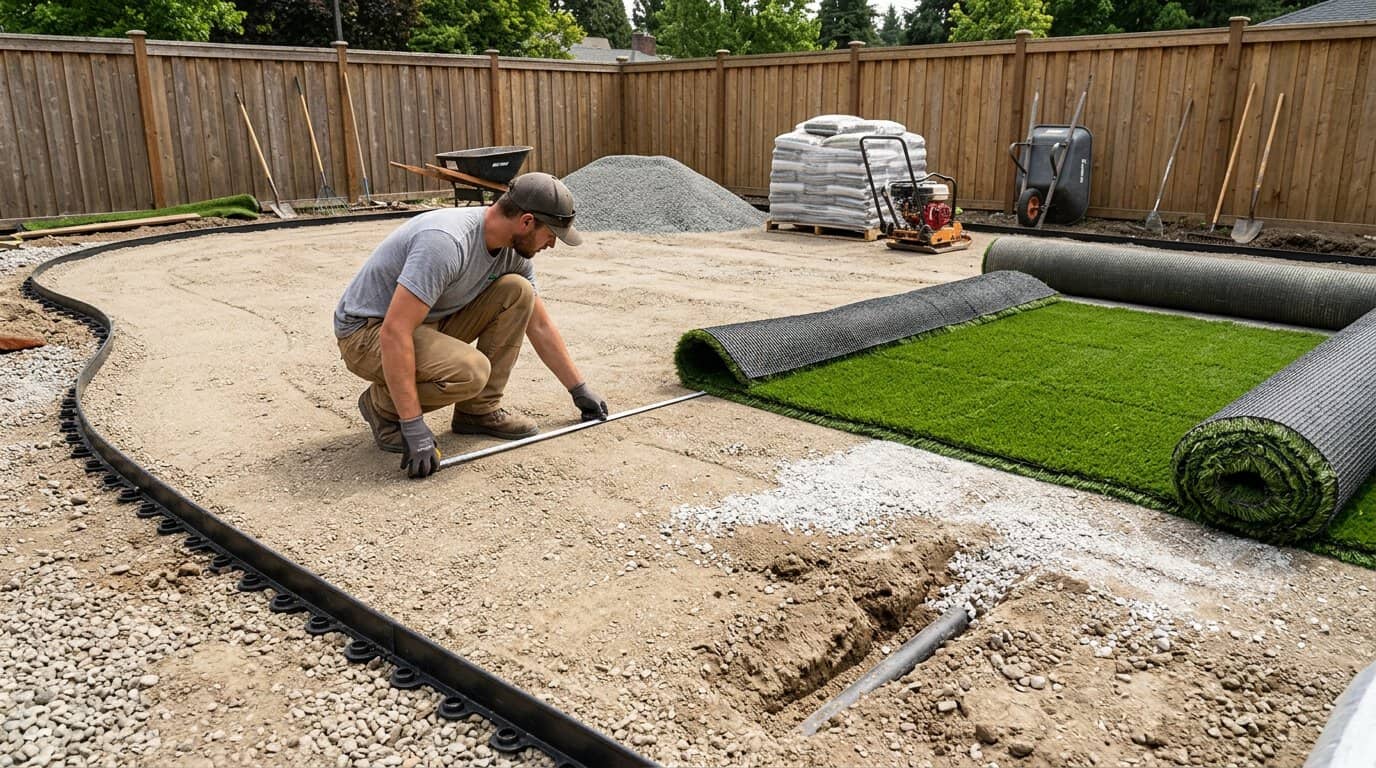
A stable artificial turf installation begins with a clean, properly shaped surface. Your installation team should remove existing grass, roots, weeds, rocks, and other debris so organic material does not decay beneath the turf or allow new growth to push through. When site conditions call for it, excavating roughly 2 to 3 inches creates room for the aggregate base and helps maintain the planned finished height. The exposed soil is then graded to establish consistent slopes, directing water away from structures and toward suitable drainage areas. Careful preparation at this stage helps prevent low spots, ripples, and premature settling.
The subgrade, or compacted soil beneath the base, must be firm and even before aggregate is installed. Crushed stone or a similar aggregate base provides support while allowing water to move through the surface, especially when the material is placed in properly sized layers and compacted thoroughly. Areas with heavy clay soil, poor slope, or a history of standing water may need additional drainage improvements, such as a perforated drain, channel drain, or more permeable base design. These measures reduce the risk of pooling after rain or irrigation, but they should be planned around the property’s existing drainage patterns and local requirements. A permeable surface does not replace proper grading because water still needs a clear path to leave the yard.
Once the base is shaped and compacted, secure edging helps keep the turf and its foundation in place. Edging may be anchored along borders, walkways, planting beds, or other transitions where foot traffic and temperature changes could cause movement. The finished base should be checked for soft areas, uneven grades, and inadequate drainage before the turf is laid because imperfections are difficult to correct afterward. In a Los Angeles backyard, thoughtful preparation is especially valuable when a design includes patios, slopes, narrow side yards, or multiple surface materials. With a firm subgrade, well-compacted aggregate, effective drainage, and reliable edging, your new turf is better positioned to remain smooth, stable, and functional over time.
Turf Seaming, Infill, and Surface Installation
After the prepared base has been checked for smoothness and drainage, you roll out the turf and allow it to acclimate so wrinkles and tension can relax. Position each piece according to the layout, keeping the grain direction consistent for a uniform appearance. Then trim the backing around patios, walkways, planters, trees, posts, and other hardscape or landscape features, taking care not to cut into the visible fibers. Precise cuts create clean transitions while leaving enough material to secure the edges without exposing the base. Careful fitting at this stage helps your finished yard look intentional rather than pieced together.
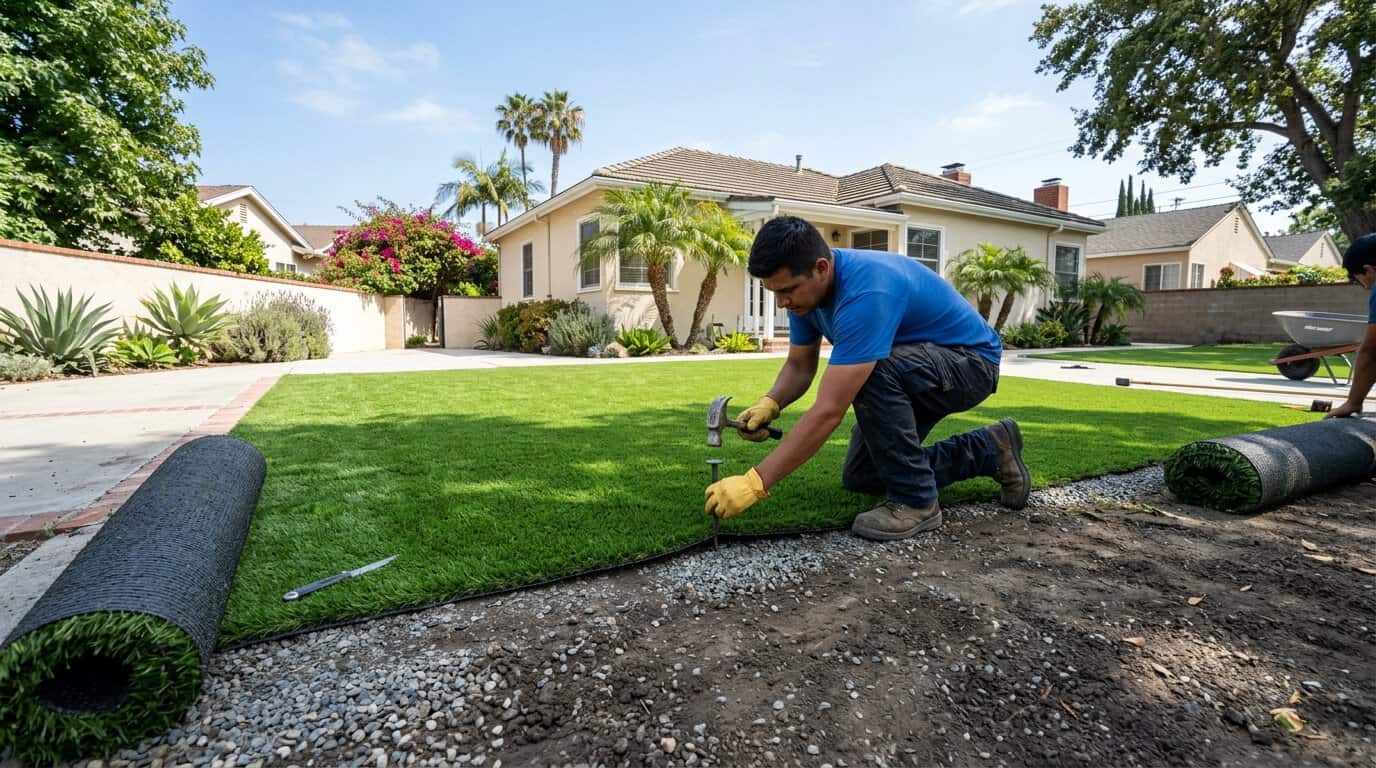
Seams are joined with compatible seam tape and adhesive, with the turf edges aligned so the connection is difficult to notice. Installers keep fibers clear of the adhesive and check the seam from several angles before the bond sets. The perimeter is then secured with appropriate landscape staples, nails, or other fasteners, especially around curves, transitions, and high-traffic areas. Once the surface is anchored, you brush the fibers upright to reveal uneven areas and confirm that the turf lies smoothly. This detailed finishing work supports a neat, durable installation around your Los Angeles outdoor living spaces.
Infill is distributed across the turf and worked into the backing with a power broom or stiff brush, often in several light applications rather than one heavy layer. Infill helps support blade recovery after foot traffic, adds weight for surface stability, and helps the fibers maintain their intended appearance. Residential systems may use different backing materials, infill types, and installation depths than athletic fields, where drainage, traction, impact attenuation, and play performance are carefully specified. Athletic installations may also include a shock pad beneath the turf, while many residential applications do not require one. Matching the surface, backing, infill, and base assembly to how you will use the space is essential for long-term comfort and performance.
Artificial Turf Maintenance, Cost, and Longevity
Artificial turf requires less routine care than natural grass, but it is not maintenance-free. You should remove leaves and debris regularly, rinse away dust and pet waste, and brush high-traffic areas to lift flattened fibers and redistribute infill when applicable. Enzyme-based treatments can help control pet odors, while prompt rinsing reduces buildup that may attract insects or create unpleasant smells. Weeds can still appear along edges or through gaps if the base, seams, or borders are compromised, so occasional hand removal and minor repairs may be necessary.
Your artificial turf installation cost depends largely on the condition and accessibility of the site. A straightforward, open yard may require less labor than a project involving excavation, difficult access, grading, drainage improvements, narrow side yards, slopes, or a detailed pattern with multiple turf types and hardscape borders. Turf quality, backing and infill choices, removal of existing landscaping, and the craftsmanship used to prepare the base and secure seams also affect the initial price. Although regular maintenance expenses are typically modest, you should budget for periodic cleaning, odor treatments, infill replacement, seam repairs, and localized patching over time.
With proper preparation and care, many residential turf products can last approximately 15 to 20 years, although actual service life varies by material and conditions. Strong ultraviolet exposure, high temperatures, frequent foot traffic, active pets, furniture movement, and sports use can accelerate fading, fiber wear, or backing deterioration. Quality fibers, effective drainage, properly compacted base materials, secure edges, and precise installation help the surface perform longer and reduce premature repairs. A thoughtful design and professional installation can therefore improve both day-to-day appearance and long-term value for your Los Angeles outdoor space.
Artificial Turf Installation Conclusion
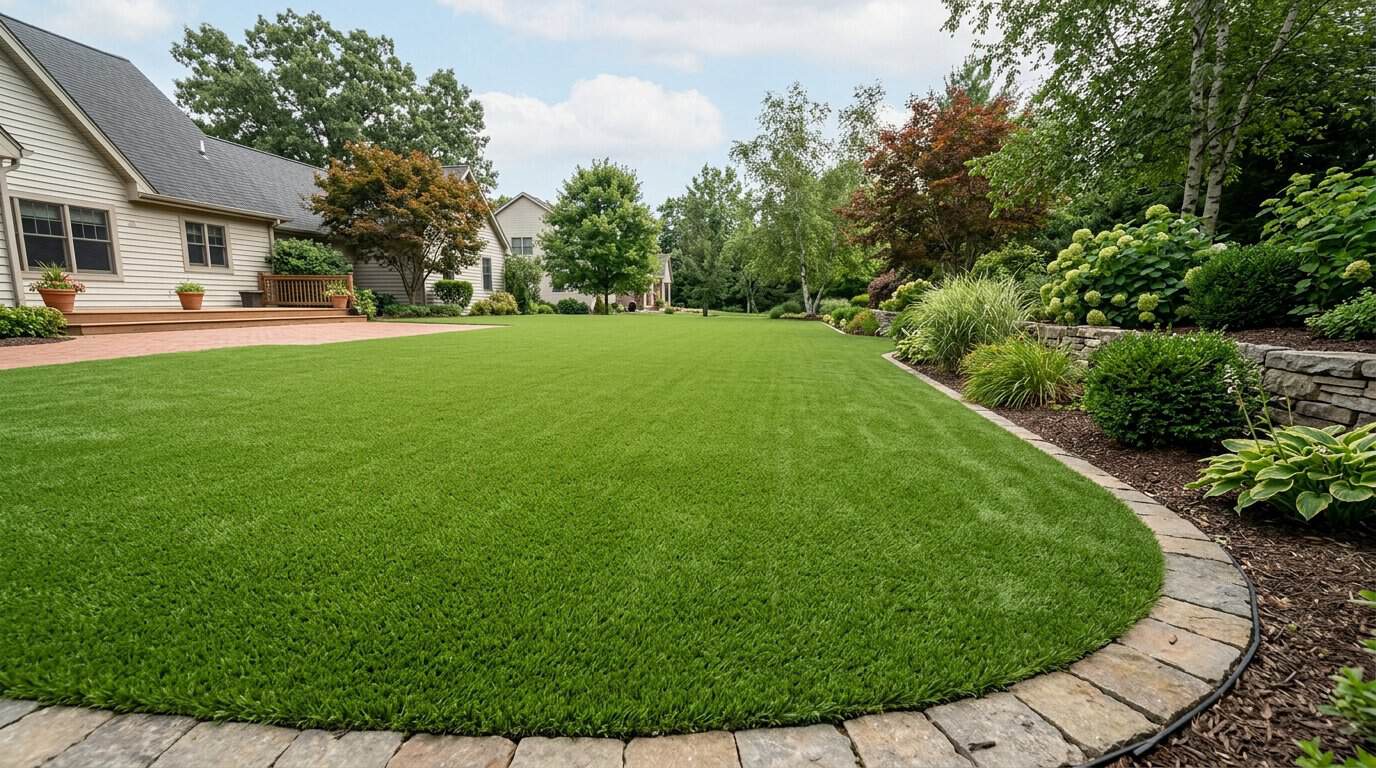
A successful artificial turf installation depends on more than choosing synthetic grass with an attractive color and texture. Your project should begin with a professional site assessment that considers soil conditions, existing landscaping, drainage, utilities, intended use, and local requirements. This planning helps determine the right turf system and prevents problems such as standing water, shifting surfaces, or premature wear. Thoughtful design also ensures the finished lawn complements your home and supports how you use your Los Angeles backyard.
The installation base is just as important as the turf itself. Proper excavation, grading, drainage preparation, and compaction create a stable foundation that can withstand foot traffic and changing weather conditions. Durable turf, secure seams, well-finished edges, and appropriate infill contribute to a natural appearance and dependable long-term performance. Precise installation details, including careful cuts around structures and planting areas, make the finished surface look intentional rather than simply placed over the ground.
When you work with a start-to-finish backyard remodeling partner, you gain coordinated guidance from initial planning through final installation. An experienced team can help you select materials suited to your space, address drainage and access challenges, and integrate artificial turf with patios, walkways, planting, lighting, and other outdoor features. With quality craftsmanship and attention to detail, your new lawn can become a durable, low-maintenance part of a cohesive Los Angeles outdoor space. The result is not just attractive synthetic grass, but a thoughtfully built backyard designed to provide lasting value.
Plan Your Artificial Turf Installation with Confidence
A successful artificial turf installation begins with careful planning and site preparation. You should assess the soil, drainage, slope, existing vegetation, and local requirements before selecting a turf system for your Los Angeles property. The installation typically includes removing the existing surface, compacting a stable aggregate base, installing edging, laying and securing the turf, and finishing seams and infill with precision. Proper grading and drainage are especially important because synthetic grass does not absorb water like natural soil. When each layer is installed correctly, your new lawn can provide a clean, durable surface with a consistent appearance.
Choosing the right materials and workmanship also supports long-term value. Consider how you will use the space, whether for pets, children, entertaining, or landscaping, because fiber type, backing, infill, and cushioning can affect comfort, drainage, and maintenance. Artificial turf still requires occasional care, including removing debris, rinsing dusty areas, addressing pet odors, and checking seams or edges. You should also expect the surface to become hot in direct sunlight and plan shade or cooling measures where needed. With thoughtful design, quality materials, and attentive installation, artificial turf can transform your outdoor space into a practical, attractive backyard that is easier to maintain year-round.
Frequently Asked Questions
1. What does artificial turf installation involve?
Artificial turf installation involves much more than placing synthetic grass over existing soil. Your project should include site assessment, removal of unsuitable material, grading, drainage planning, aggregate base preparation, turf placement, seam work, and secure edging. Each step helps create a stable, attractive surface that performs well over time.
2. How should you prepare your yard before installing artificial turf?
You should begin by evaluating the soil, slope, utility locations, existing vegetation, and intended use of the space. Unsuitable material is removed, the ground is properly graded, and a compacted aggregate base is installed to support the turf. Careful preparation helps prevent shifting, uneven areas, and drainage problems.
3. Does artificial turf need a drainage system?
Yes, proper drainage is an essential part of a reliable artificial turf installation. Your installer should plan how rainwater, irrigation runoff, and wash water will move through and away from the area. A drainage solution suited to your soil and site conditions helps reduce standing water and supports a cleaner, longer-lasting surface.
4. Is artificial turf a good choice for Los Angeles homes?
Artificial turf is a practical option for Los Angeles because it provides a green, durable surface while using far less water than natural grass. It can be designed for compact side yards, family backyards, pet areas, play spaces, and outdoor living areas. The right installation also helps you reduce routine maintenance such as mowing, watering, and seasonal reseeding.
5. How does edging affect an artificial turf installation?
Secure edging helps keep the turf in place and creates a clean transition between the lawn and surrounding surfaces. It also helps protect the perimeter from movement, curling, and separation over time. Your edging should be selected and installed according to the layout, adjacent materials, and how you plan to use the space.
6. Can artificial turf be customized for pets, children, or outdoor entertaining?
Yes, your turf design should reflect how you use your yard. We can plan the layout, turf type, base preparation, drainage, and surrounding features around pets, play areas, seating, pathways, or entertaining spaces. Thoughtful customization creates a more comfortable and functional outdoor environment while maintaining a polished appearance.
7. How long does artificial turf last?
A quality artificial turf surface can provide long-term value when installed over a properly prepared base and maintained appropriately. Durability depends on material quality, installation workmanship, drainage, traffic, and site conditions. Professional grading, compaction, seam installation, and secure edging help your turf remain attractive and functional for years.