Front yard landscaping can do far more than improve curb appeal. It can help you conserve water, manage stormwater, support local wildlife, and create a welcoming entrance to your Los Angeles home. The key is choosing plants, lawn areas, irrigation, and hardscape that suit your property’s sun, soil, slope, and climate. A thoughtfully designed yard can look polished without demanding constant watering or maintenance.
Whether you want a low-water garden, a small lawn for recreation, or a refined walkway framed by native plants, the best results come from a plan built around your needs. Durable materials, careful grading, and quality installation help your landscape remain attractive and functional for years. With the right design and start-to-finish craftsmanship, your front yard becomes a lasting investment in your home’s comfort, character, and value.
Key Takeaways
Design the front yard around Los Angeles conditions—sun, soil, slope, drainage, available space, and daily use—to create a landscape that is both attractive and functional.
Use California native and climate-adapted plants, hydrozoned irrigation, mulch, and limited lawn areas to conserve water, reduce maintenance, and support pollinators and local wildlife.
Incorporate durable walkways, grading, permeable paving, rain gardens, bioswales, or dry creek beds to improve access, protect foundations, and manage stormwater responsibly.
Invest in professional planning and installation, including soil preparation, drainage, irrigation, hardscape, and ongoing maintenance, to protect long-term landscape performance and property value.
Introduction to Front Yard Landscaping
Front yard landscaping can improve your Los Angeles home’s curb appeal while making the entrance feel more welcoming and connected to the property. A thoughtfully designed front yard guides visitors to the door, frames the architecture, and creates a polished first impression. It can also support water conservation through efficient irrigation, climate-appropriate plants, and lawn areas used for practical purposes. With durable materials and well-planned planting areas, your landscape can provide lasting beauty without demanding constant maintenance.
The best design responds to your property’s sun exposure, soil, slope, drainage, and available space. You might combine a small lawn for children or pets with drought-tolerant plants, shade trees, pathways, and a defined seating or entry area. Native and climate-adapted plants can provide habitat for pollinators and birds while reducing water and maintenance needs once established. Hardscape elements, such as walkways, retaining walls, and decorative gravel, should improve function and drainage without overwhelming the natural character of the yard.
Your lifestyle should guide every decision, from the amount of lawn you want to maintain to the way guests approach your front door. A properly zoned irrigation system can deliver water according to each planting area’s needs, helping prevent waste from overspray and runoff. Quality construction and careful plant selection also protect your investment by creating a landscape that matures gracefully and complements your home over time. With a customized plan and a seamless installation process, your front yard can contribute to daily enjoyment, neighborhood appeal, habitat, water savings, and long-term property value.
Front Yard Landscaping Design Foundations
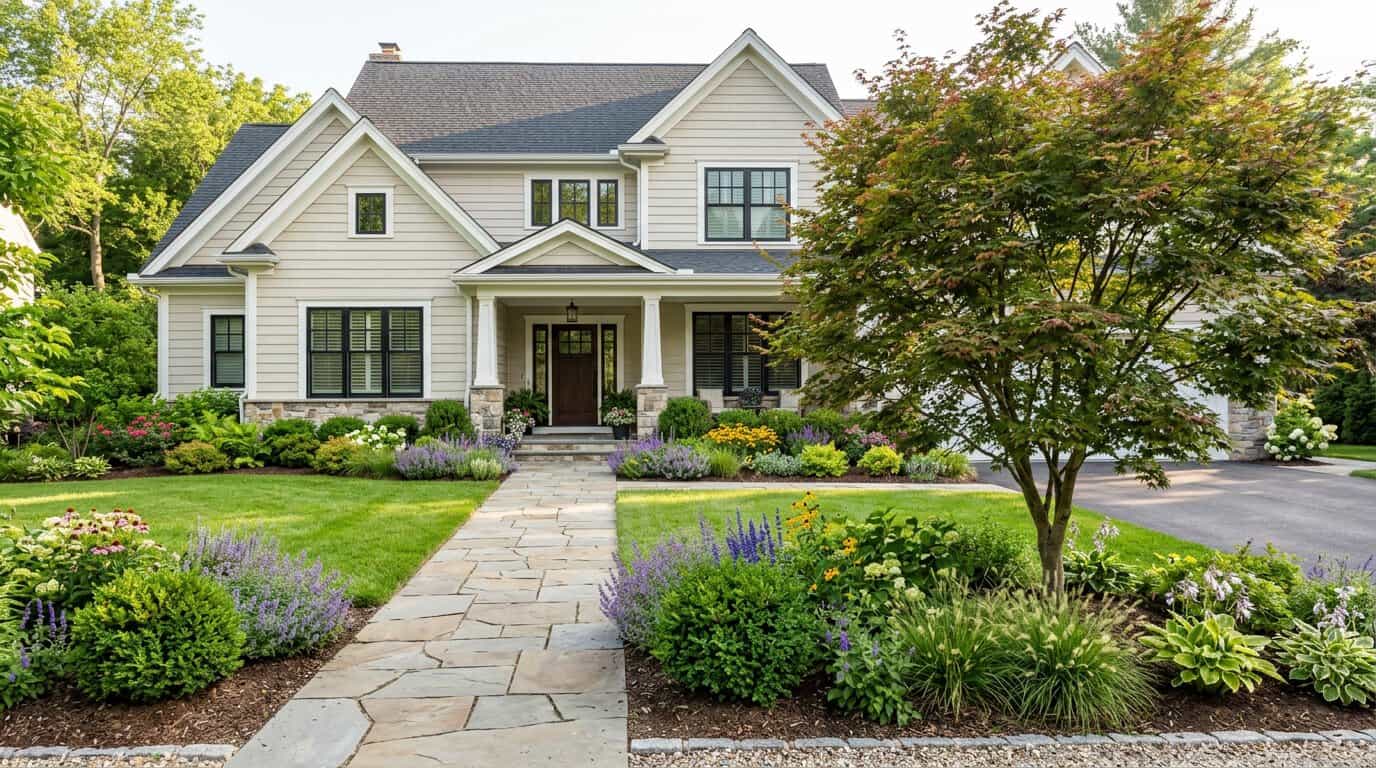
Before choosing plants, paving, or decorative materials, assess how your front yard functions throughout the day and across the seasons. Note which areas receive full sun, partial shade, or reflected heat from walls and driveways, then evaluate soil quality, compaction, drainage, and any low spots where water collects. A sloped site may need grading, retaining elements, or erosion control, while a level yard may require improved drainage to protect foundations and walkways. In Los Angeles, these observations also help you select drought-tolerant plants and irrigation solutions that match each microclimate instead of applying one approach across the entire property.
Your design should support everyday needs as carefully as it complements your home’s architecture. Identify sightlines from the street, windows, and front door, and account for guest parking, trash access, deliveries, and a safe, comfortable route to the entrance. Use balanced plant groupings to create order, vary plant heights for a layered appearance, and reserve a distinctive tree, sculptural plant, or entry feature as a focal point. Keep taller plants from blocking windows or reducing visibility near driveways, and connect the home visually to the street with repeated colors, textures, or materials.
Clear circulation and intentional transitions will make the finished landscape feel both welcoming and durable. A defined walkway should lead naturally from the sidewalk or parking area to the front door, with enough width and stable surfaces for daily use. Low planting, edging, or changes in paving can guide movement without creating barriers, while layered beds soften hardscape and frame architectural details. By resolving these foundations first, you can create a custom front yard that improves curb appeal, manages water responsibly, and provides lasting value through thoughtful design and quality craftsmanship.
California Native Plants and Water-Wise Lawns
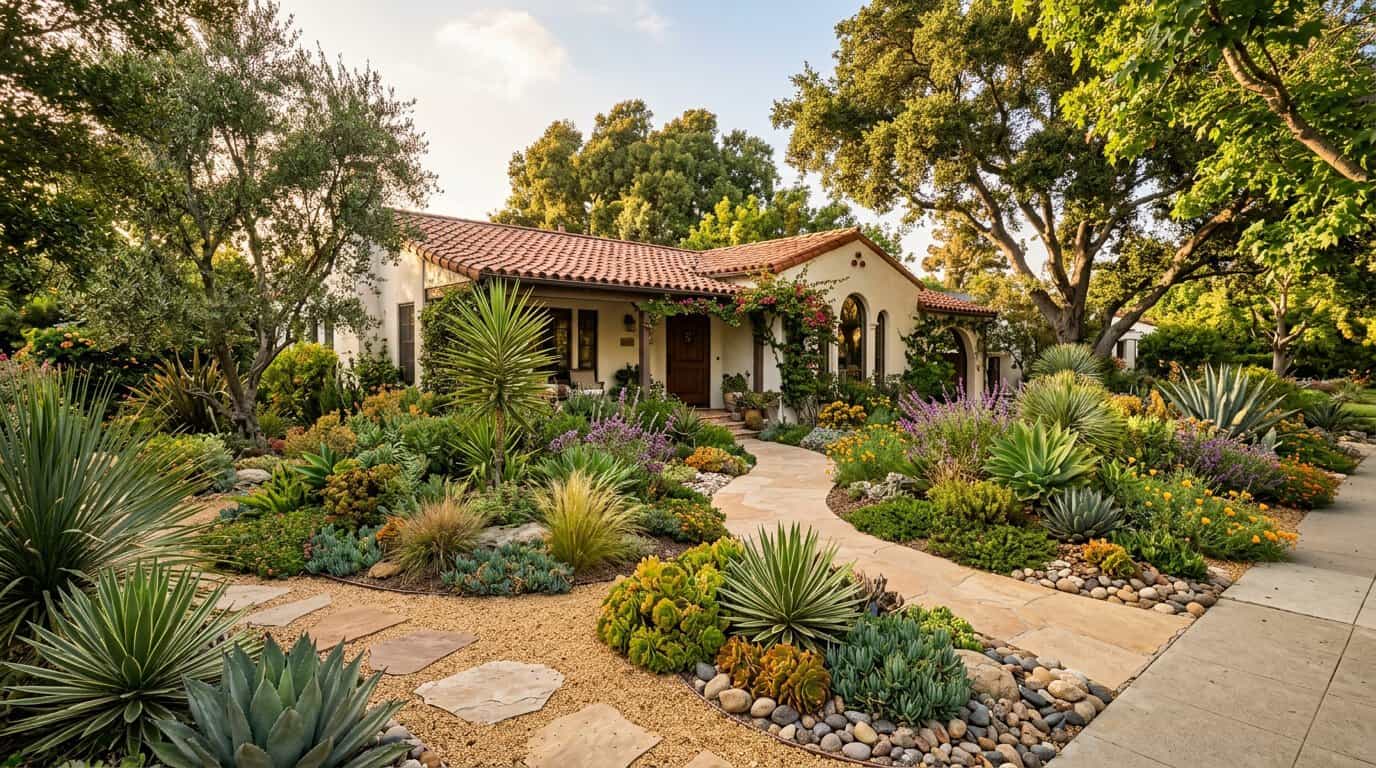
California native plants can give your front yard lasting color and structure while fitting Los Angeles’ dry summers. Drought-tolerant choices such as coast live oak, western redbud, manzanita, ceanothus, California sagebrush, yarrow, and deer grass offer a range of heights, textures, and seasonal interest. When you select plants suited to your property’s sun, slope, wind, and available space, they typically need less supplemental irrigation once established. Group plants with similar water needs into hydrozones, or irrigation areas, so thirsty plants are not watered alongside drought-adapted varieties. This approach supports efficient irrigation and creates a more intentional, layered design.
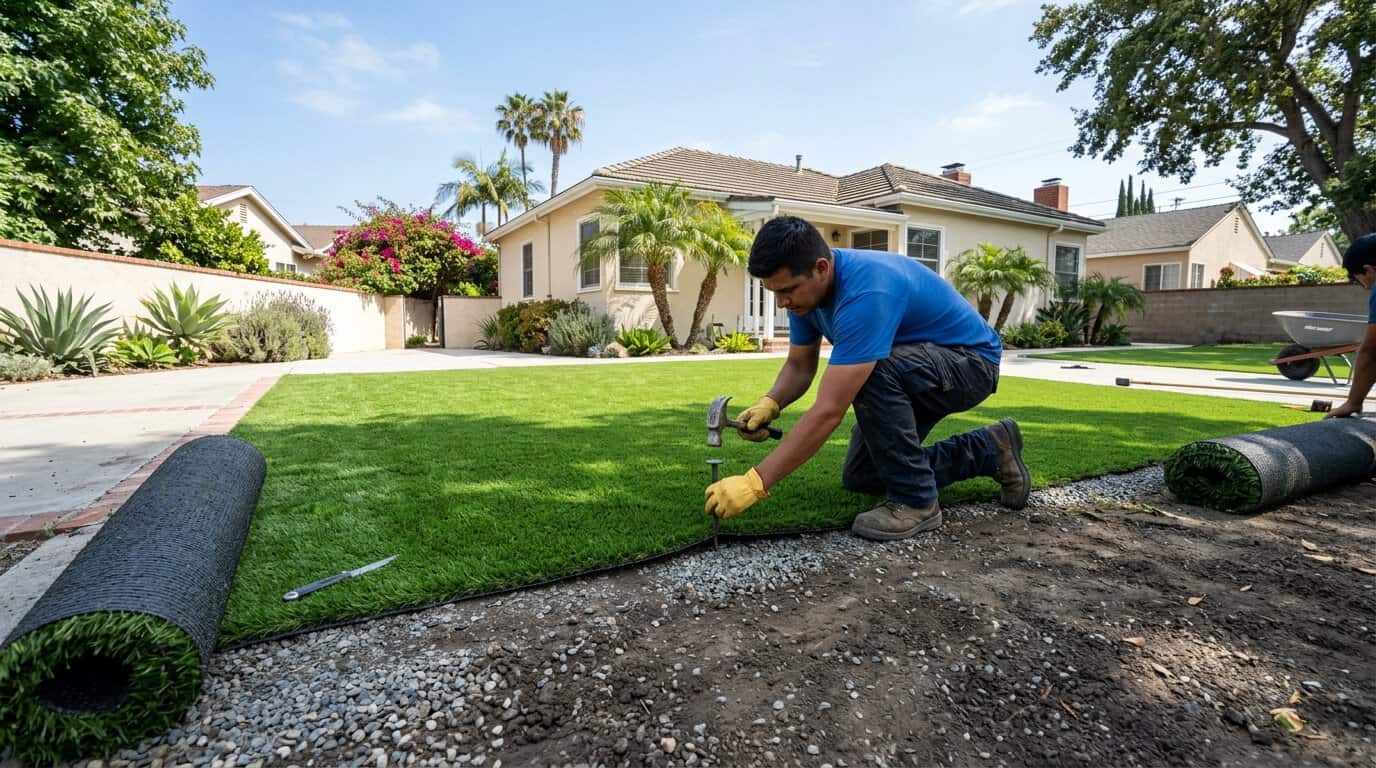
A small lawn can still be practical when you need a comfortable play area, a clear path from the sidewalk, or an open visual break among planted beds. Keep turf limited to a well-defined, usable space, and consider a warm-season or lower-water lawn suited to your site rather than covering the entire yard. Before planting, improve compacted soil by loosening it and addressing drainage, but avoid over-amending areas intended for California natives, which often perform poorly in overly rich or consistently wet soil. Thoughtful grading and soil preparation help roots establish deeply, reduce runoff, and protect new plants from unnecessary stress. A well-prepared foundation also makes durable hardscape transitions and irrigation installation easier to execute cleanly.
Plant selection can transform your front yard into a welcoming habitat as well as a curb-appeal feature. Combine flowering natives and adapted perennials, such as sages, buckwheat, monkeyflower, and yarrow, with shrubs and ornamental grasses to provide nectar, shelter, and seed sources for bees, butterflies, and other beneficial wildlife. Choose species with staggered bloom times so pollinators can find food through multiple seasons, while leaving enough space for mature growth to reduce pruning and replacement. Mulch planted areas to moderate soil temperature and slow evaporation, keeping it away from trunks and plant crowns. With careful design, quality installation, and irrigation matched to each hydrozone, you can create a polished landscape that conserves water without feeling sparse.
Front Yard Hardscape and Stormwater Features
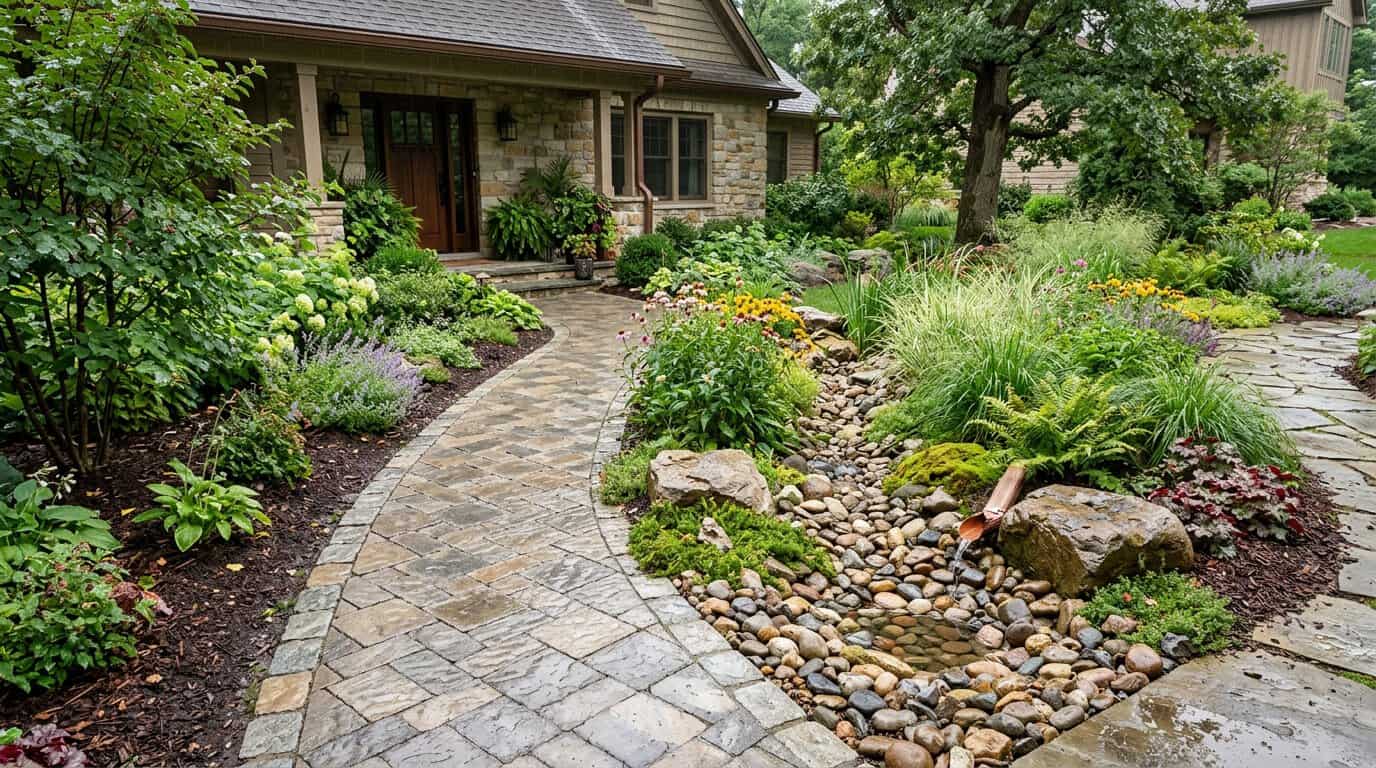
Durable hardscape gives your front yard structure, safe access, and lasting curb appeal. Concrete works well for clean-lined walkways, steps, driveways, and seating areas, while natural stone adds texture and a more organic character. Pavers offer design flexibility and can be replaced individually if damage occurs, while decomposed granite creates an informal, compact surface for paths or gathering spaces. For Los Angeles homes, selecting materials that withstand sun, foot traffic, and seasonal weather helps reduce maintenance over time. Borders, seat walls, and low retaining walls can further define planting areas without overwhelming the landscape.
Thoughtful grading directs rainwater away from your foundation, walkways, and neighboring properties while reducing erosion. Instead of allowing runoff to flow quickly into the street, you can incorporate rain gardens, bioswales, or dry creek beds that slow, filter, and temporarily hold water. A rain garden uses moisture-tolerant plants in a shallow depression, while a bioswale is a gently sloped planted channel designed to guide and absorb runoff. Dry creek beds use strategically placed stone and gravel to create a defined drainage route that also serves as a strong visual feature. These solutions should be designed around your site’s slope, soil conditions, and local drainage requirements.
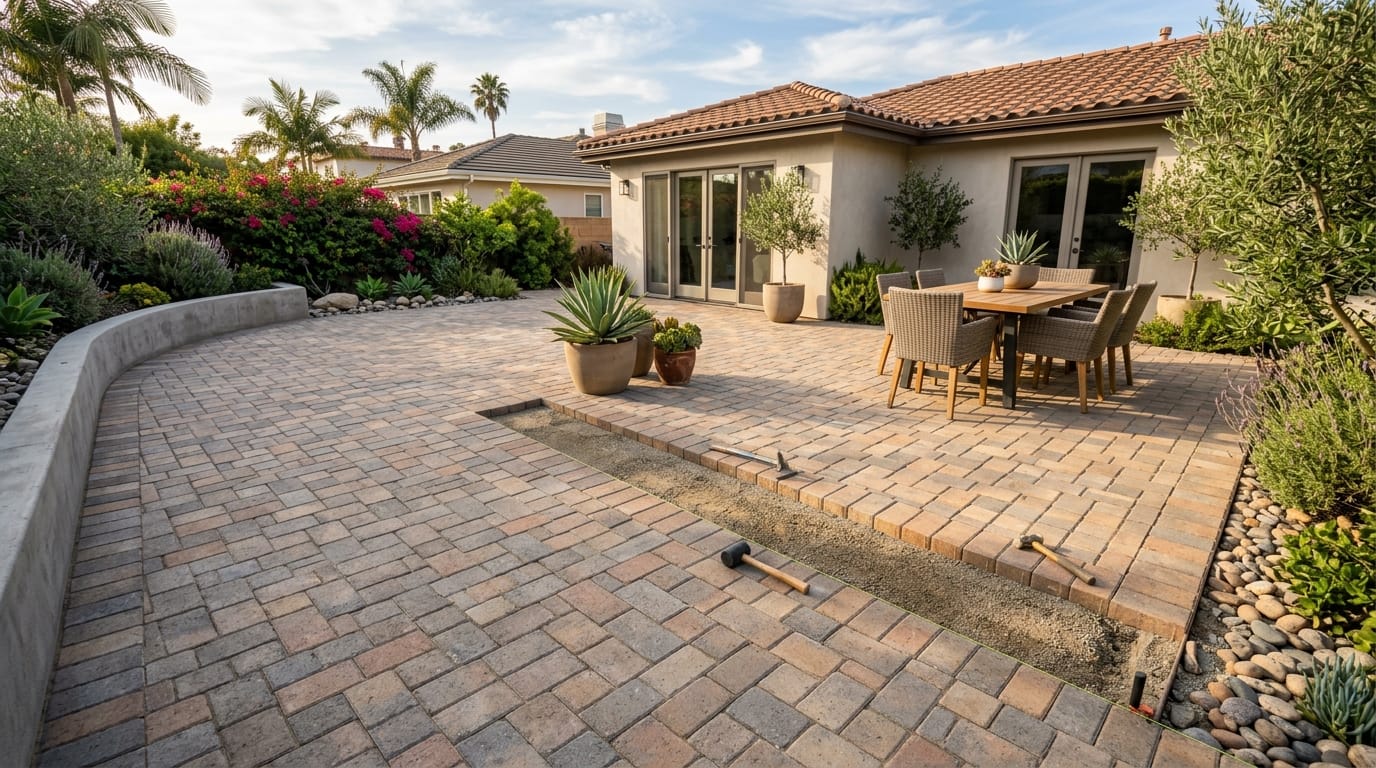
Permeable paving is another effective way to combine function with a polished front yard design. Unlike conventional paving, it allows water to pass through joints or the paving material into a prepared base, helping reduce surface runoff and standing water. You can use permeable pavers, porous concrete, or certain gravel systems for driveways, walkways, and small seating areas, provided the installation includes proper excavation and drainage layers. Combining these surfaces with carefully placed planting beds and durable borders creates a cohesive transition from the street to your home. With precise construction and attention to water flow, your hardscape can remain attractive, accessible, and resilient through changing weather.
Front Yard Landscaping Installation and Value
Front yard landscaping begins with a site evaluation, design development, and a clear plan for drainage, plant selection, access, and daily use. Your design team can then confirm local requirements and obtain permits before demolition removes unwanted plants, paving, or other structures. Grading establishes safe slopes and directs stormwater, while underground utility locations are verified before construction begins. Next, crews install efficient irrigation, construct paths, walls, driveways, or other hardscape features, and place trees, shrubs, and ground covers suited to your Los Angeles climate. Lighting, soil improvements, mulch, cleanup, and final detailing complete the installation and help the finished landscape look intentional from the street.
Durable materials, such as properly installed concrete, natural stone, pavers, and weather-resistant edging, can reduce premature repairs and support long-term value. A WaterSense-labeled irrigation controller adjusts watering based on weather and site conditions. According to the EPA, replacing a standard clock-based controller with a properly installed model can save an average home up to 15,000 gallons of water annually. Realistic budgeting should include design, permits, demolition, grading, drainage, irrigation, planting, hardscape, lighting, and future maintenance rather than focusing only on visible materials. You should also plan for pruning, seasonal planting care, irrigation adjustments, weed control, and occasional repairs, even when the design emphasizes low-maintenance landscaping.
Professional craftsmanship protects your investment by addressing drainage, soil preparation, root space, structural support, and installation details before they become costly problems. Experienced crews also coordinate each phase so irrigation lines are protected, hardscape remains level, and plants are installed at the correct depth and spacing. A thoughtful front yard can improve curb appeal while conserving water, supporting habitat, and managing stormwater without eliminating lawn entirely. With quality construction and a maintenance plan matched to your property, the landscape can remain functional, attractive, and resilient for years.
Front Yard Landscaping in Los Angeles: Design, Hardscape, and Lasting Value
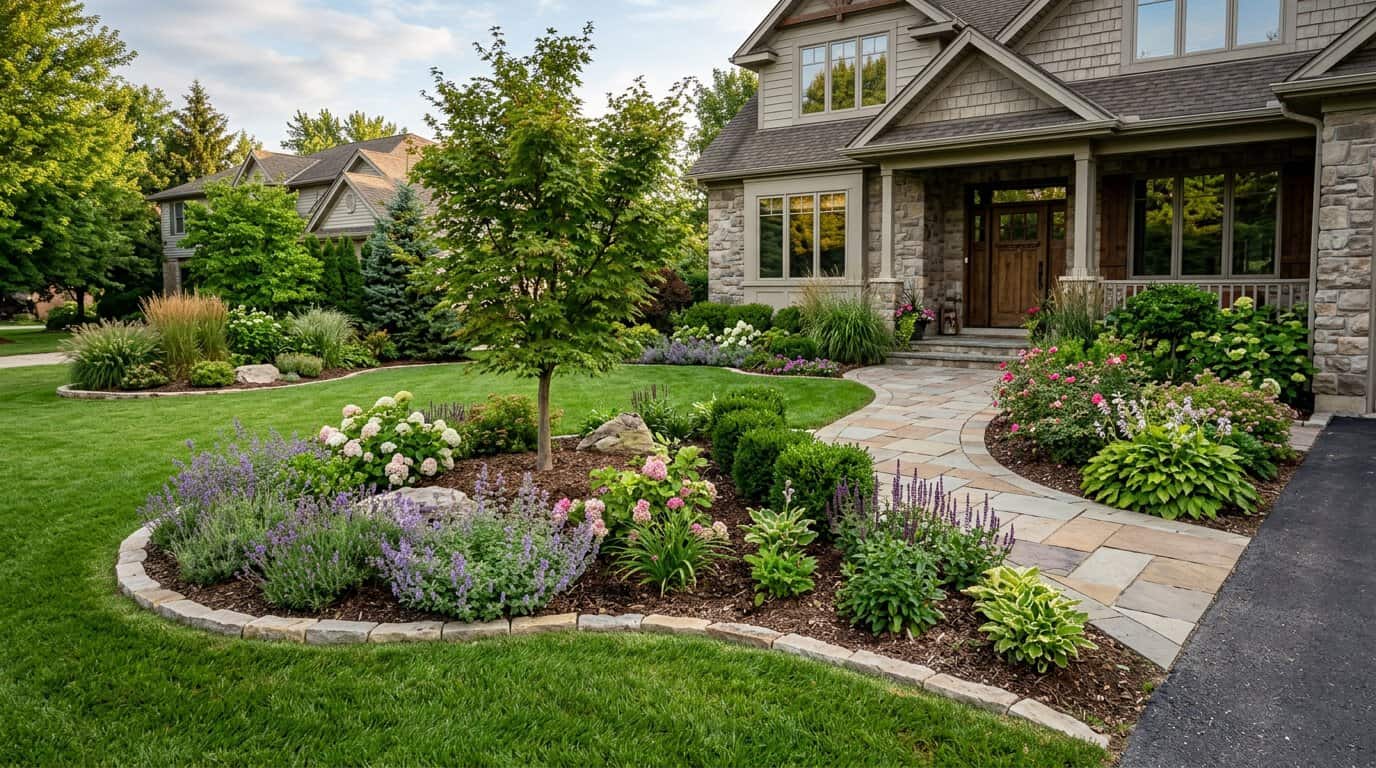
A successful Los Angeles front yard begins with a design that responds to your property’s specific conditions, including sun exposure, soil, drainage, slope, and available space. Water-wise plants, efficient irrigation, and thoughtfully placed lawn areas can create an attractive landscape while reducing unnecessary water use. Native and climate-adapted plants also support local habitat and often require less maintenance once established. By matching every element to your site, you create a front yard that performs well in the Southern California climate.
Functional hardscape makes the landscape easier and more enjoyable to use every day. Durable walkways, entry areas, planting borders, lighting, and seating can improve access, manage stormwater, and strengthen your home’s curb appeal without overwhelming the planting design. Reliable installation is equally important because proper grading, drainage, soil preparation, irrigation placement, and material setting help protect your investment over time. Attention to these details gives you a finished yard that looks intentional and continues to perform through changing seasons.
The best next step is to create a custom landscape plan that connects your priorities with the character of your Los Angeles home. Consider how you want to use the front yard, how much maintenance you prefer, and which improvements will provide lasting value for your household. With thoughtful design, quality craftsmanship, and a seamless installation process, your landscape can improve daily convenience, environmental performance, and first impressions at the same time. A well-planned front yard is not simply an upgrade to your property, but a durable investment in how you live and how your home welcomes others.
Create a Welcoming, Water-Wise Front Yard
Effective front yard landscaping balances curb appeal with practical performance. You can use lawn selectively, then combine climate-appropriate plants, shade trees, mulch, and durable hardscape to create a welcoming space that requires less maintenance. In Los Angeles, efficient irrigation and WaterSense-labeled controllers can help reduce outdoor water use, which accounts for about 30% of household consumption nationally and can be much higher in dry regions. Thoughtful plant selection can also support pollinators, improve habitat, and help manage stormwater.
The best landscape plan responds to your property’s sun exposure, soil, drainage, and daily needs rather than following a one-size-fits-all trend. Whether you want a refined entry path, a drought-tolerant garden, or a carefully framed area of lawn, quality materials and precise installation contribute to long-term value. By coordinating design, grading, planting, irrigation, and finishing details as one process, you can create a front yard that looks inviting and performs well for years. A well-planned landscape ultimately gives you a more comfortable, sustainable, and durable extension of your home.
Frequently Asked Questions
1. What are the main benefits of front yard landscaping?
A well-designed front yard improves curb appeal, creates a welcoming entrance, and complements your home’s architecture. It can also help conserve water, manage stormwater, support local wildlife, and increase the long-term value and enjoyment of your property.
2. How do you choose the right plants for a Los Angeles front yard?
Choose plants based on your property’s sun exposure, soil, slope, drainage, and available space. Native and climate-adapted plants are strong choices because they typically require less water and maintenance once established while providing habitat for pollinators and birds.
3. Can you include a lawn in a water-conscious front yard design?
Yes, a small lawn can work well when it serves a clear purpose, such as recreation for children or pets. Place it where it will be used and combine it with drought-tolerant planting areas, efficient irrigation, and other low-water materials to reduce overall water demand.
4. How can front yard landscaping improve drainage and stormwater management?
Thoughtful grading directs water away from your home and helps prevent pooling near walkways, foundations, and planting areas. Permeable surfaces, planted areas, decorative gravel, and properly designed drainage features can help slow runoff and allow more water to soak into the soil.
5. What hardscape features are useful in a front yard?
Walkways, entry steps, retaining walls, edging, decorative gravel, and defined planting areas can make your front yard more functional and polished. Durable materials should be selected to complement your home, handle Los Angeles conditions, and provide safe, comfortable access to your front door.
6. How can you make a front yard easier to maintain?
Use climate-appropriate plants, efficient irrigation, durable hardscape, and lawn only where it is practical. Grouping plants with similar water needs and planning for mature sizes will also reduce pruning, watering, and replacement work over time.
7. What should be considered before starting a front yard landscaping project?
Begin with a plan that evaluates your property’s sun, soil, slope, drainage, entry points, and available space. Your design should also reflect how you want to use the yard, your maintenance preferences, and the overall character of your Los Angeles home.
8. Why is professional front yard landscaping installation important?
Quality installation ensures that grading, irrigation, planting, hardscape, and drainage work together as a complete system. Careful craftsmanship and durable materials help your landscape remain attractive, safe, and functional for years, giving you lasting value from the investment.